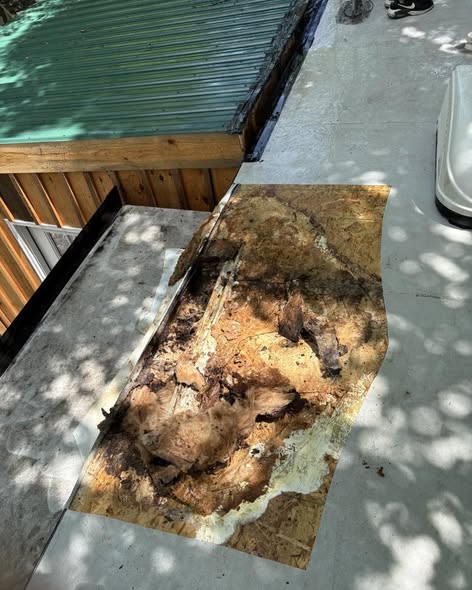
Severe hidden water damage exposed beneath an RV roof.
The roof material matters, but most leaks begin where something meets or passes through the roof: vents, air conditioners, skylights, antennas, roof edges, end caps and aging sealant.
HOW WATER GETS IN
Small Seal Failures Can Become Major Repairs
Your RV moves, flexes and vibrates on every trip. Sun, rain, snow, freezing temperatures and summer heat also make roofing materials and sealants expand and contract.
Over time, sealant can crack, separate or pull away around roof openings and edges. Membranes can also be punctured by branches or damaged during rooftop work. Fiberglass can develop cracks, especially around joints and mounted equipment.
Once water enters, it can spread beneath the visible roof surface. The first interior stain may appear far from the actual opening.
Common Leak Entry Points
REAL DAMAGE. REAL RVS.
What Hidden RV Water Damage Can Look Like
These are actual Coastal Care Detail projects—not stock photos. Each RV had a different path for water intrusion.
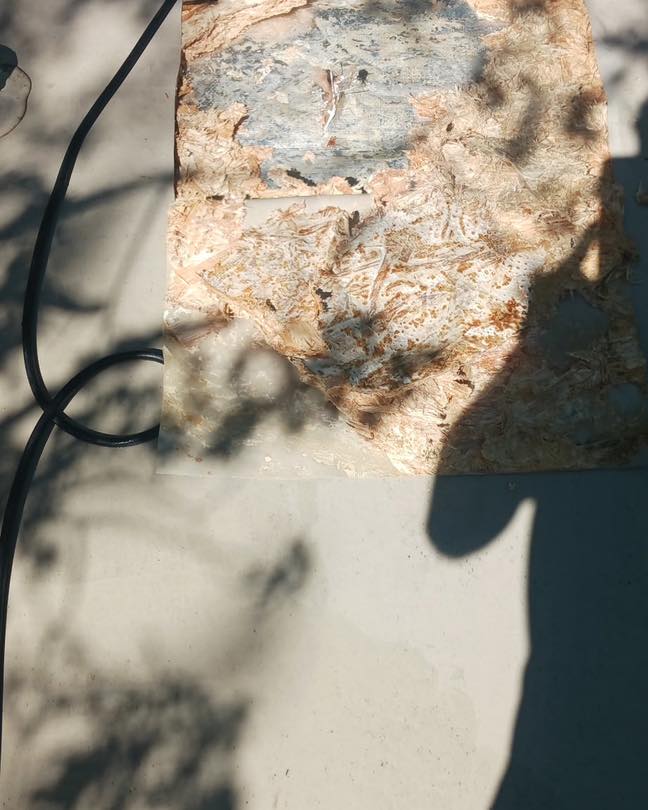
Rotted Roof Decking
Moisture remained under the roof surface and weakened the wood below.
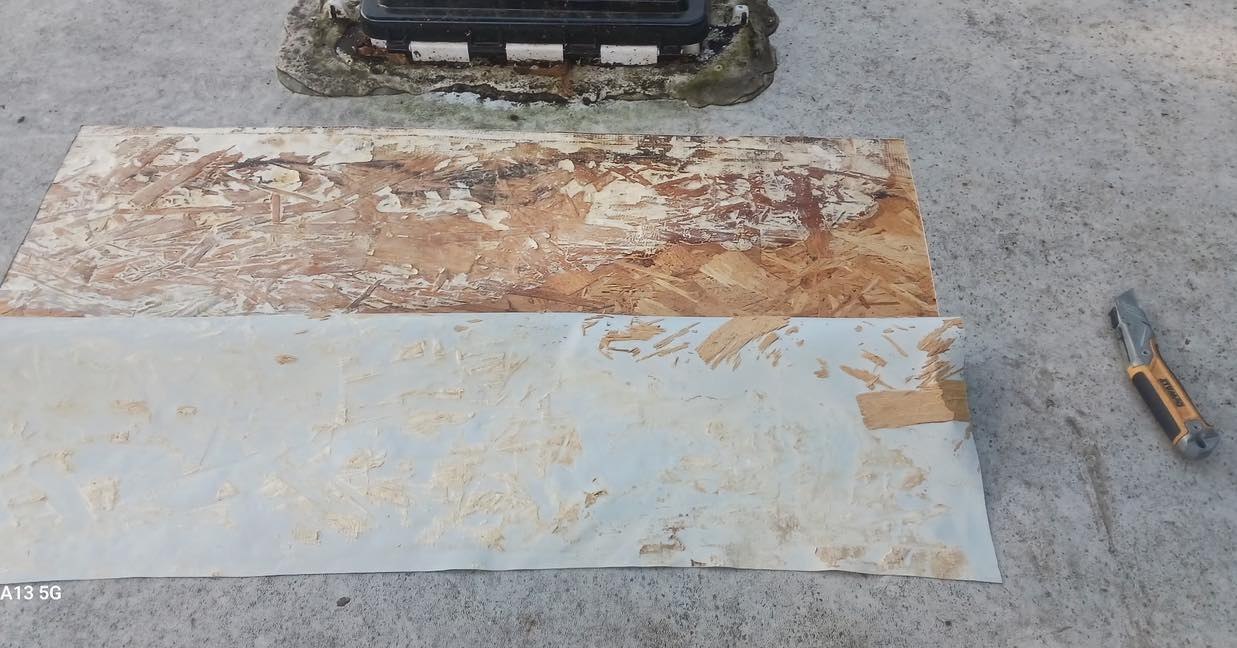
Leak Near a Roof Vent
A failed seal around the vent allowed water to reach and damage the roof deck.
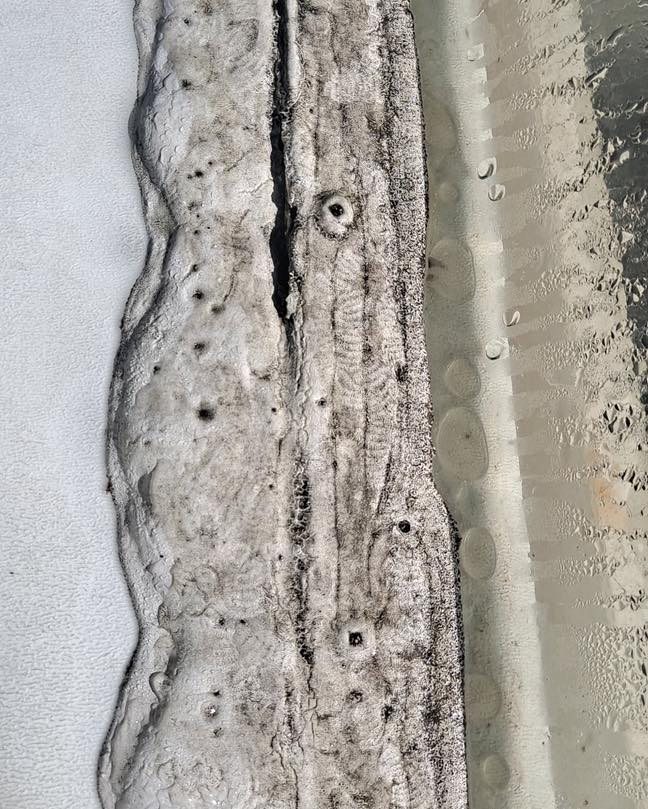
Failed Roof-Edge Seal
Separated, weathered sealant created a direct path for water along the roof edge.
WHY THE DAMAGE IS EASY TO MISS
The Surface Does Not Tell the Whole Story
These real Coastal Care projects show different stages. A roof can look manageable from above while moisture has already weakened a much larger area underneath.
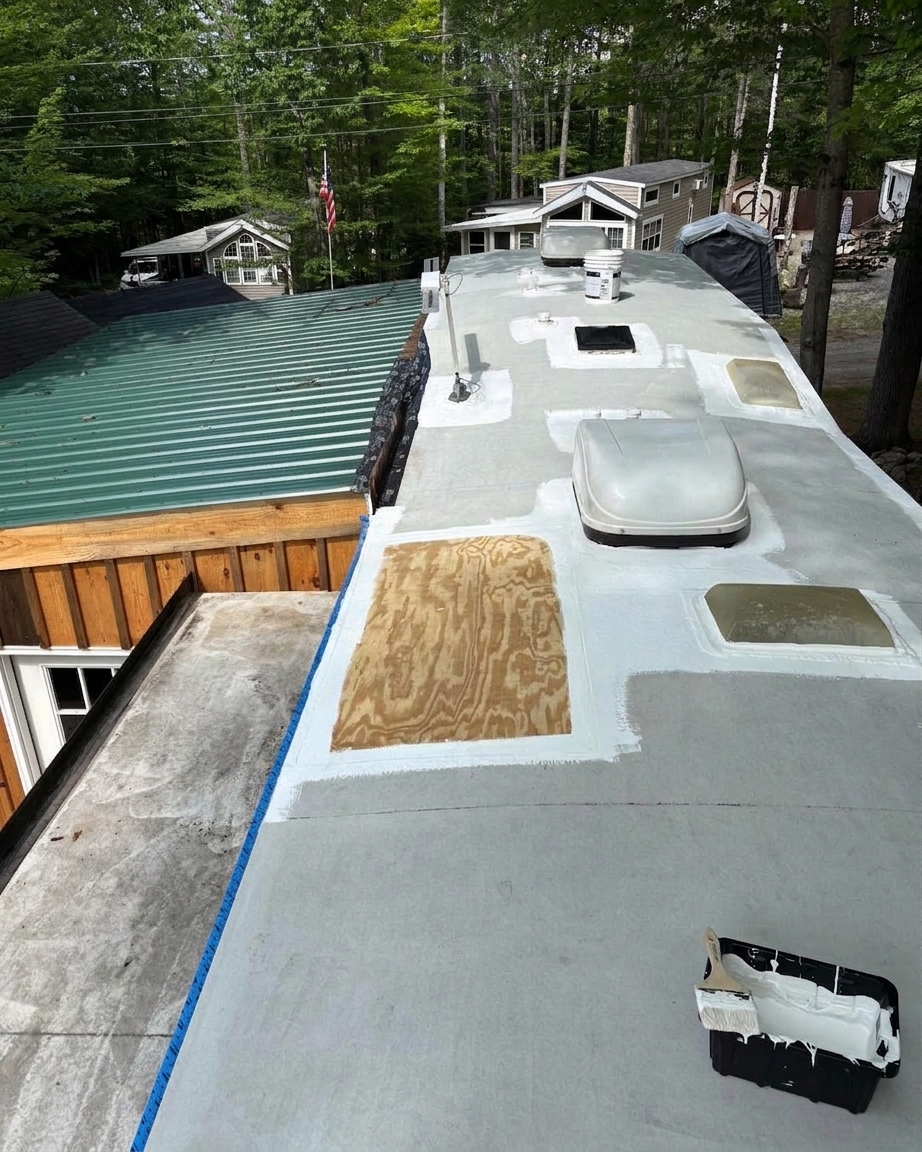
Damaged Decking Replaced
After the rot is removed, new plywood restores the roof before the protective coating is completed.
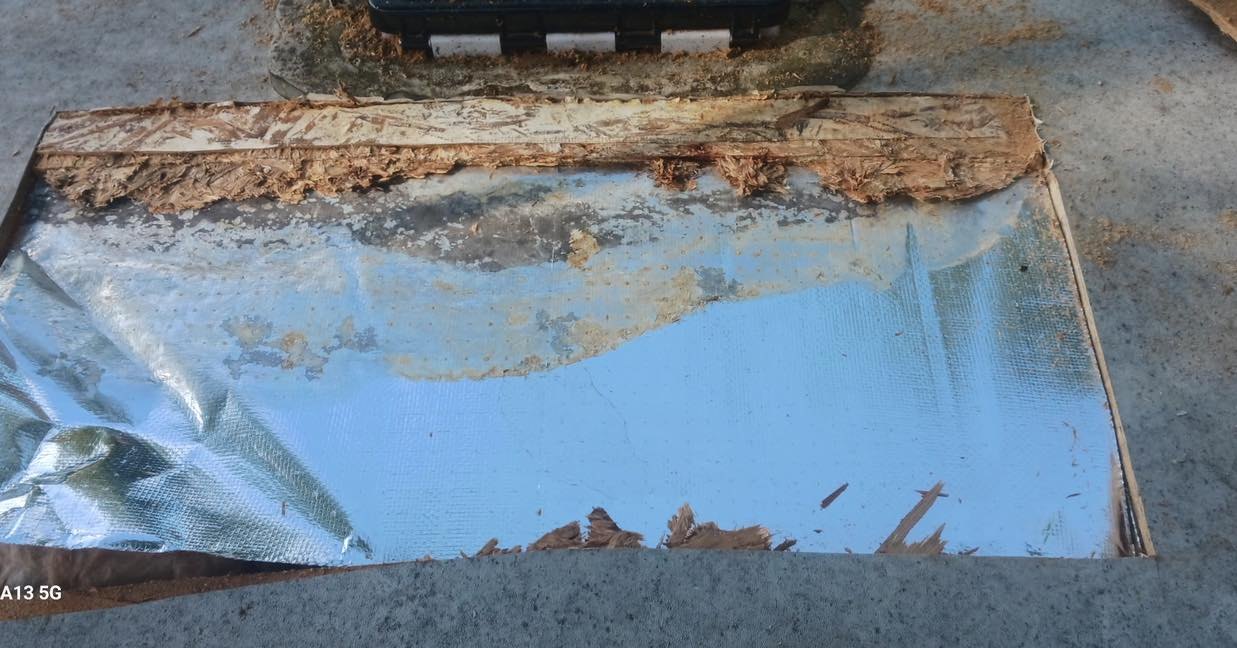
What Removal Can Reveal
Once exposed, dark staining and crumbling wood show how far moisture spread under the roof surface.
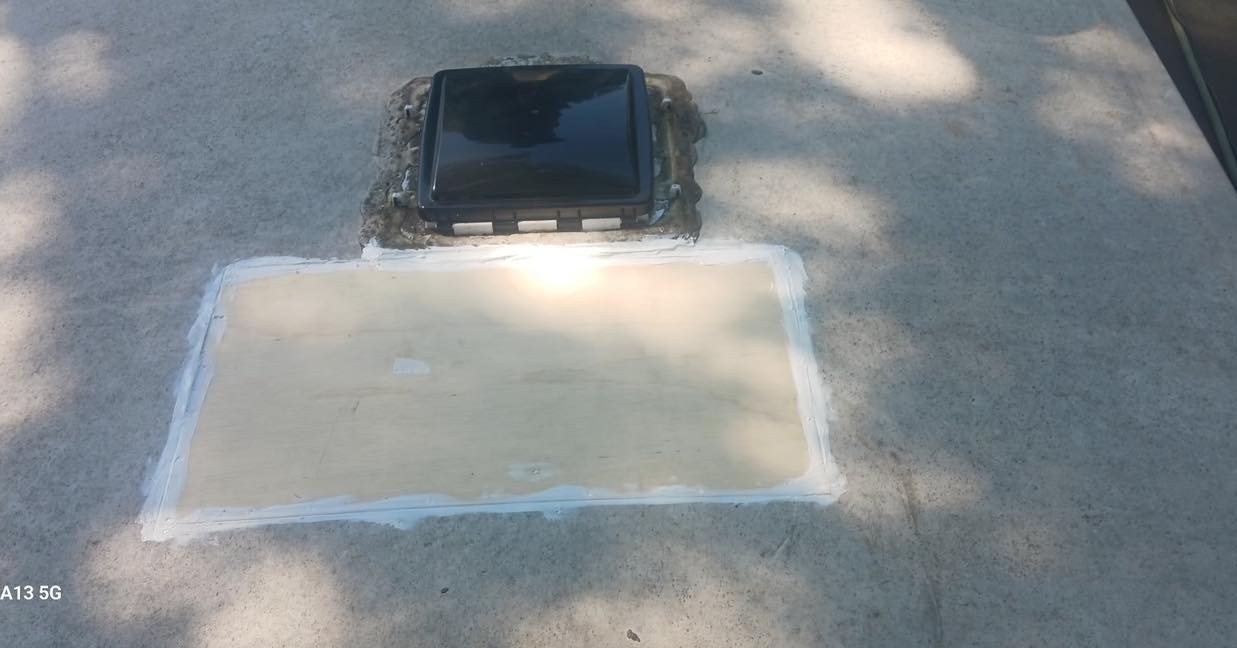
Damaged Material Must Come Out
Soft or rotted decking is removed and replaced before the roof receives its protective finish.
KNOW YOUR ROOF
EPDM, TPO and Fiberglass RV Roofs
Do not guess based on color alone. Check your owner’s manual or roof information, or have the material identified before applying cleaners, sealants or coatings.
LONG-TERM PROTECTION
50-Year Manufacturer Warranty
Our roof-coating product includes a 50-year manufacturer warranty. We first address active leaks and damaged material, then prepare and coat the roof when the surface is suitable.
Warranty coverage is provided by the manufacturer and is subject to its terms, conditions and eligibility requirements.
WARNING SIGNS
Do Not Wait for Water to Drip
WHAT REPAIR MAY INVOLVE
Stop the Leak, Then Repair What It Reached
A lasting repair starts by finding the real entry point. Depending on what we uncover, work may include removing damaged material, replacing weakened plywood, supports or insulation, resealing roof openings and preparing the roof for a seamless protective coating.
Coating over wet or rotted material does not repair the structure underneath. The damage must be handled first.
COMMON QUESTIONS
RV Roof Water-Damage FAQ
Can a roof leak exist without an interior stain?
Yes. Water may remain beneath the roof membrane or move through insulation and framing before it becomes visible inside.
Can you tell EPDM from TPO by looking at the top?
Not reliably. There may be visual clues, but color and texture alone are not enough. Check the RV documentation or have the membrane identified at an accessible edge or opening.
Can a coating go over damaged plywood?
No. Wet, soft or rotted decking and other damaged materials should be removed and repaired before a protective coating is applied.
How often should an RV roof be checked?
Follow your RV manufacturer’s maintenance schedule. The roof should also be checked after severe weather, contact with branches or any sign of moisture inside.
Do you come to the RV?
Yes. Coastal Care Detail provides mobile RV roof repair and coating services across New England within our travel area.